
Modular has proven itself as a faster, greener, more versatile and high-quality building option. And yet, despite all evidence to the contrary, some misconceptions persist, including suggestions that modular buildings are cheaply made temporary structures that offer limited versatility in their applications.
Here, we’re going to dispel the top five myths of modular construction.
Myth 1: Modular buildings are only temporary.
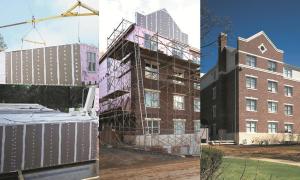
Fact: Modular construction methods can produce permanent, multi-story modular solutions that last decades. One example is the permanent modular dormitory that was built for Muhlenberg College in Allentown, PA in 2002. The building remains an integral part of the campus in its second decade of use.
Myth 2: Modular buildings are low in quality.
Fact: Modular is held to the same International Building Codes (IBC), and the same state and local standards that are applied to traditional construction. The buildings are prefabricated in a factory, so construction managers and engineers can closely monitor the process and ensure consistent quality and durable construction.
Myth 3: Modular buildings are architecturally boring.
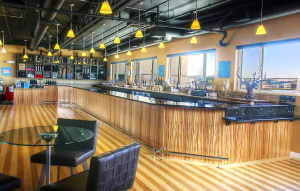
Fact: Modular buildings can be just as creative and versatile as other types of construction. According to Construction Digital Magazine, a top trend for 2012 has architects are turning to modular to create visually stunning buildings. Modular buildings were used to create a winery on the San Francisco bay, many lavish real estate sales offices, and countless classic and contemporary-styled school buildings, to name a few.
Myth 4: Modular buildings are not sustainable.
Fact: Modular buildings are built from the same materials as traditional structures, making them just as green and environmentally friendly. However, in-factory prefabrication dramatically reduces material waste. Heavy equipment use at construction sites is reduced. And modular buildings can be deconstructed and reused at new locations, making them the more sustainable building option.
Myth 5: Modular is too new of a construction process.
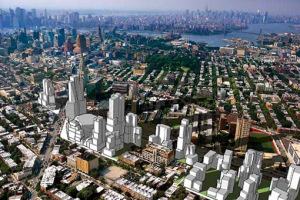
Fact: Modular has been used, developed and perfected over decades and across all industries. In fact, Forest City Ratner, a large residential developer, chose modular for a high-rise housing project in Brooklyn, NY. Clearly the builder is confident in the durability and cost effectiveness of modular construction.
Don’t be fooled by these myths. Modular buildings use the latest manufacturing technologies that ensure design flexibility. The result: affordable, high-quality buildings that are built up to 50 percent faster than traditional construction, so projects are operational and profitable sooner. And that’s a fact.